
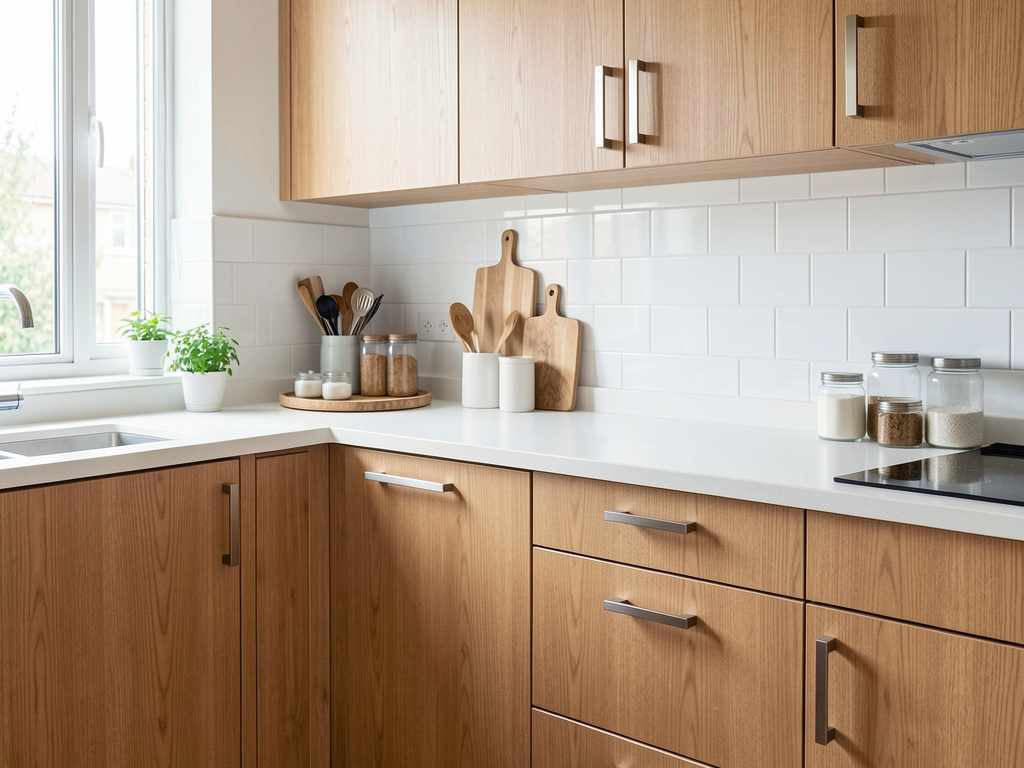
Choosing the what size pulls for kitchen cabinets is one of the most common questions during a kitchen remodel. The wrong size can throw off the entire look and make daily use awkward. Pulls that are too small feel flimsy and hard to grip, while oversized pulls can dominate a small drawer and look out of place. This guide covers the exact measurements you need for different cabinet types, drawer sizes, and design styles.
Quick Verdict: In short, standard kitchen cabinet pulls range from 3 to 12 inches in length. For upper cabinets, choose 3 to 5 inches. For drawers under 18 inches wide, use 3 to 6 inches. For large drawers over 30 inches, go with 8 to 12 inches. Match the pull length to the cabinet or drawer width for a balanced look.
Key Takeaways
- The best pull size for kitchen cabinets on upper doors is typically 3 to 5 inches in center-to-center measurement, with smaller pulls for narrow doors.
- For standard drawer pulls under 18 inches wide, choose a 3 to 6 inch pull. Oversized pulls can make small drawers look crowded.
- Large drawers between 30 and 48 inches work best with 8 to 12 inch pulls. A single long pull looks cleaner than two smaller pulls.
- The center-to-center measurement is the critical number for pull sizing. Standard increments include 3, 4, 5, 6, 8, 10, and 12 inches.
- Thin profile pulls like T-bars and linear bar pulls can be slightly longer without overwhelming a cabinet face, making them a flexible option.
The Basic Rule for Pull Sizing
The simplest way to pick a pull size is to match it to the cabinet or drawer width. A pull that is one-third to two-thirds the width of the face looks proportional. For example, a 12-inch drawer can take a 4 to 8 inch pull. A 24-inch drawer looks best with an 8 to 12 inch pull. This rule works for most kitchen styles, from modern to traditional.
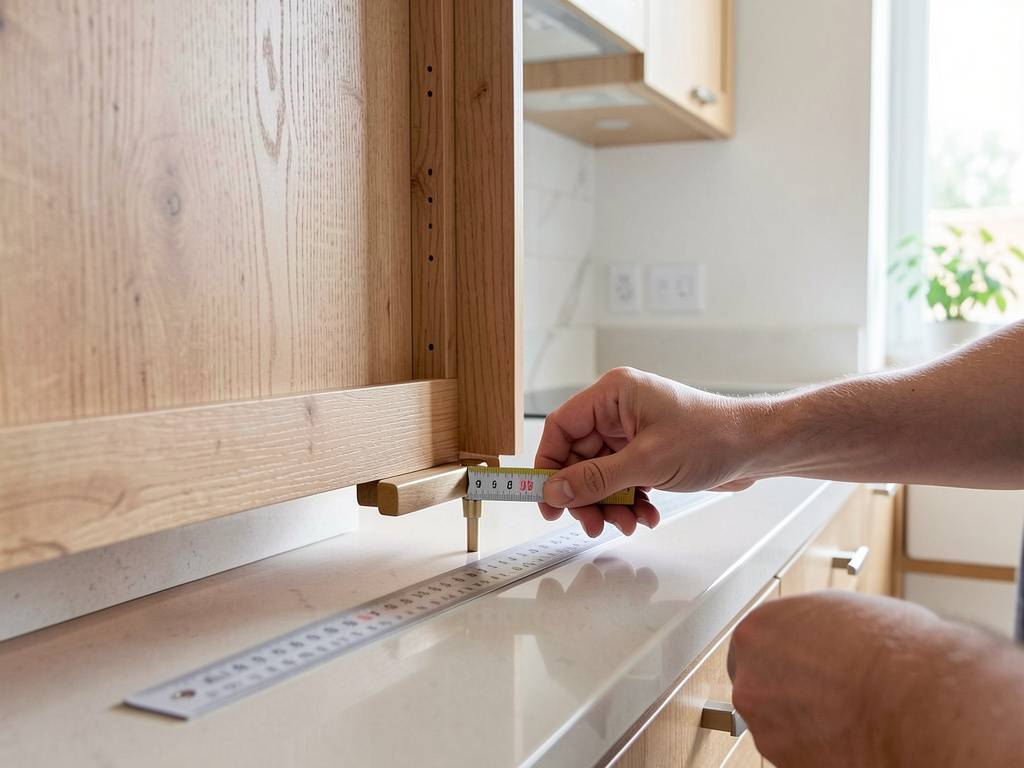
Important: Always measure the center-to-center distance, which is the space between the two screw holes. Most pulls are labeled by this measurement, not the total length of the bar. A 3-inch center-to-center pull is about 4 inches total length on many designs.
For upper cabinet doors, a smaller pull works because you grab it with just two fingers. A 3-inch or 4-inch pull is standard. For lower cabinets and large drawers, use a longer pull so you can grip it with your whole hand. The goal is to make opening smooth and comfortable.
Pull Sizes by Cabinet Type
Different cabinets need different pull lengths. Here is a quick breakdown by cabinet type.
Upper Wall Cabinets
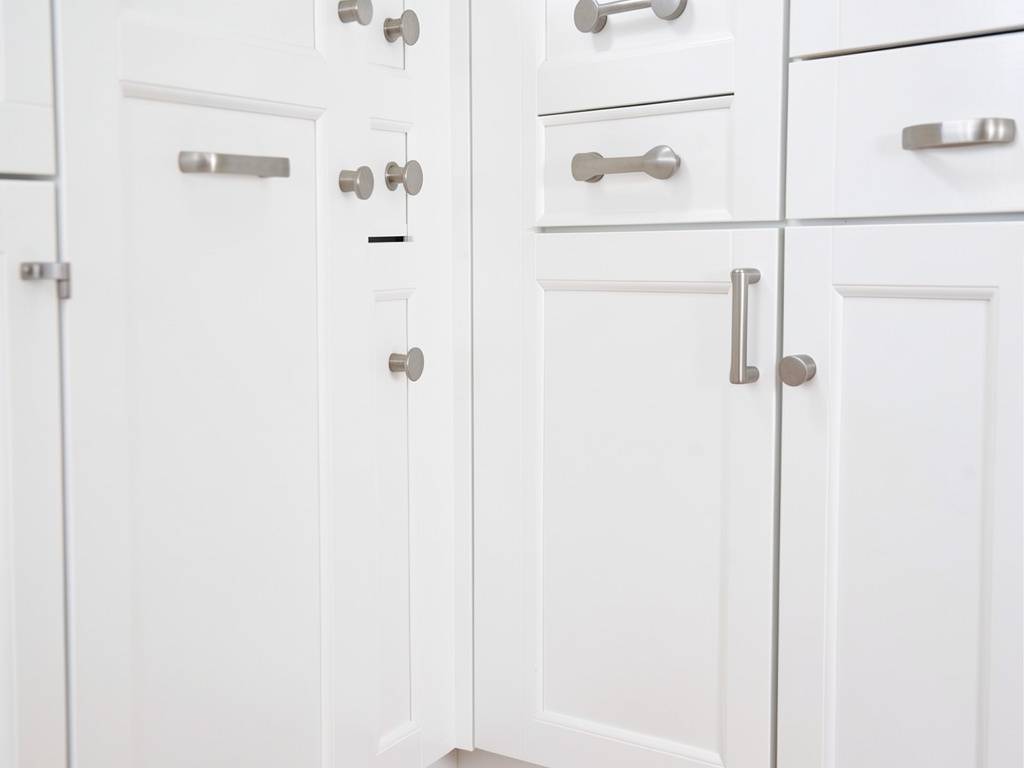
Wall cabinets are smaller and mounted above the counter. For a standard 12 to 18 inch wide door, choose a 3 to 4 inch pull. For narrow cabinets under 12 inches, use a 3 inch pull. For wider wall cabinets over 18 inches, a 5 inch pull works well. Avoid pulls longer than 6 inches on upper cabinets because they can look too big and catch on clothing.
Base Cabinets
Base cabinets sit on the floor and are usually larger. For a standard 18 inch wide base cabinet door, a 4 to 6 inch pull looks balanced. For a 24 inch base cabinet, use a 5 to 8 inch pull. Base cabinet drawers are often 18 to 24 inches wide and work best with 5 to 8 inch pulls. A single long pull simplifies the look and reduces clutter.
Drawers
Drawers come in many widths. Use this simple chart as a guide.
| Drawer Width | Recommended Pull Size | Pull Style Tip |
|---|---|---|
| Under 12 inches | 3 inches | Small T-bar or cup pull |
| 12 to 18 inches | 3 to 6 inches | Bar pull or slim handle |
| 18 to 24 inches | 5 to 8 inches | Single pull or two 3-inch pulls |
| 24 to 30 inches | 8 to 10 inches | Long bar or edge pull |
| Over 30 inches | 10 to 12 inches | One continuous pull or two 6-inch pulls |
What the Center-to-Center Measurement Means
The center-to-center measurement is the distance between the two screw holes on a pull. This is the number you need when ordering pulls. Most brands list pulls by this measurement. For example, a 3-inch center-to-center pull has holes 3 inches apart. The total length of the pull is usually about 1 inch longer on each side. So a 3-inch center-to-center pull might be 5 inches total. Always check the product page for the total length if the pull style has decorative ends.
Standard center-to-center sizes include 3, 4, 5, 6, 8, 10, and 12 inches. Some specialty pulls come in 2.5 or 7 inch sizes. Stick to standard sizes when possible because they are easier to find and replace later.
Warning: Do not confuse total length with center-to-center. Using the wrong measurement can result in pulls that do not align with your existing holes. Always measure the hole spacing, not the bar ends.
Pull Sizes by Cabinet Style
Different kitchen styles look best with different pull lengths. Here is how to match size to style.
Modern and Contemporary Kitchens
Modern kitchens favor clean lines and minimalist hardware. Slim bar pulls or T-bars work well. For upper cabinets, a 3 to 4 inch pull is common. For lower cabinets, a 6 to 8 inch pull looks sleek. Long, continuous pulls on drawers create a unified look. Choose finishes like brushed nickel, matte black, or chrome.
Traditional and Farmhouse Kitchens
Traditional styles often use cup pulls or bin pulls on drawers and knobs on doors. For drawer pulls, use 3 to 5 inch options on small drawers and 5 to 8 inch on larger ones. Curved pull styles with decorative backplates can be slightly longer because the backplate fills the space. For farmhouse kitchens, longer bar pulls in oil-rubbed bronze or black add vintage character.
Transitional Kitchens
Transitional kitchens mix modern and traditional elements. Pull sizes can vary. Use 4 to 6 inch pulls on standard cabinets and 8 inch pulls on large drawers. Mixing knob hardware on doors with pulls on drawers works well. Choose a finish that matches your faucet and lighting for a cohesive look.
Common Myths vs Facts About Pull Sizes
| Myth | Fact |
|---|---|
| Bigger pulls always look better | Oversized pulls on small drawers look cluttered. Proportion beats size every time. |
| You must use the same pull size on every cabinet | Different cabinet widths need different pull sizes. A 3-inch pull on a 30-inch drawer looks tiny. |
| Pulls should always be centered on the cabinet face | For upper doors, place pulls near the bottom. For lower doors, place them near the top for better ergonomics. |
How to Measure Your Cabinet Pulls Correctly
Measuring pulls is simple with the right tools. Follow these steps.
- Remove the existing pull if you are replacing hardware. You will see two screw holes.
- Measure the distance between the center of both holes with a ruler or tape measure. This is the center-to-center measurement.
- Write down the measurement for each cabinet and drawer. Different sizes may be used in different spots.
- Check the total length of the pull if the ends extend past the holes. Make sure the pull does not overhang the cabinet edge.
- Buy a sample pull or use a paper template to test the size on the cabinet before ordering all hardware.
For new cabinets with no holes, decide on the pull size first. Mark the hole positions using a template or the pull itself. Drill carefully to avoid splitting the wood.
Tip: Use a cardboard template cut to the exact pull size. Tape it to the cabinet door to visualize how the pull will look. This prevents costly mistakes on custom cabinetry.
Should You Use One Pull or Two on Large Drawers?
For drawers wider than 24 inches, you have two options. Use one long pull that spans most of the drawer width, usually 8 to 12 inches. Or use two smaller pulls, each 3 to 4 inches, placed evenly apart. A single long pull gives a clean, uninterrupted line. Two smaller pulls break up the space and can be easier to grip. The choice depends on your kitchen style.
Modern kitchens prefer one long pull. Traditional or farmhouse kitchens often use two smaller pulls. For very wide drawers over 36 inches, two pulls spaced evenly look more balanced than one extremely long pull. Center the pulls about one-third of the way in from each edge.
Pull Size for Drawer Fronts vs Cabinet Doors
Drawer fronts and cabinet doors have different ergonomics. Drawers open by pulling straight out, so a longer pull gives a better grip. Cabinet doors swing open, so a smaller pull is fine. For drawer fronts, use a pull that is at least half the width of the drawer. For cabinet doors, a pull that is one-quarter to one-third the width works well.
For a 24-inch wide drawer, consider a 6 to 8 inch pull. For a 24-inch wide cabinet door, a 4 to 6 inch pull is enough. Mixing pull sizes is practical and gives the kitchen a custom feel.
Cup Pulls and Knobs vs Bar Pulls
Cup pulls, also known as bin pulls, have a curved shape and are measured differently. They are typically 3 to 5 inches wide and mounted with two screws on the top and bottom. Cup pulls are great for traditional kitchens and work best on drawers. They take up less horizontal space, so you can use a 3-inch cup pull on a 12-inch drawer.
Knobs are a separate option. They are not measured by center-to-center distance because they have one single screw. Knobs work well on upper cabinet doors where a pull might look too heavy. Use knobs on doors and pulls on drawers for a mixed hardware look. Standard knob sizes range from 1 to 1.5 inches in diameter.
Bar pulls are the most common type for modern kitchens. They come in all standard center-to-center sizes. Edge pulls are a style that mounts on the top or bottom edge of the drawer front and are typically 6 to 12 inches long. They are a minimalist choice that hides the hardware almost completely.
Common Mistakes When Choosing Pull Sizes
- Using the same pull size on every cabinet without considering width differences. A 3-inch pull on a 36-inch drawer looks lost.
- Ordering pulls by total length instead of center-to-center measurement. This leads to incorrect hole spacing.
- Choosing pulls that are too long for the cabinet face, causing the ends to stick out past the edge.
- Ignoring the depth of the pull. Deep pulls can bump into cabinet doors when opened.
- Forgetting to test a sample. Every pull style looks different in person than online.
Warning: Do not assume all pulls of the same center-to-center measurement look the same size. A 3-inch pull with decorative ends can be 5 inches total and look much larger than a 3-inch slim bar pull. Always check the product dimensions.
Pro Tips for Pull Size Selection
- Test 3-4 different pull sizes in your kitchen before buying. Tape them to the cabinets and live with them for a day.
- Use a template or paper cutout to mark hole positions. This avoids drilling mistakes and lets you adjust spacing.
- Consider the visual weight of the pull. Dark finishes look heavier and may appear larger than the same size in polished nickel.
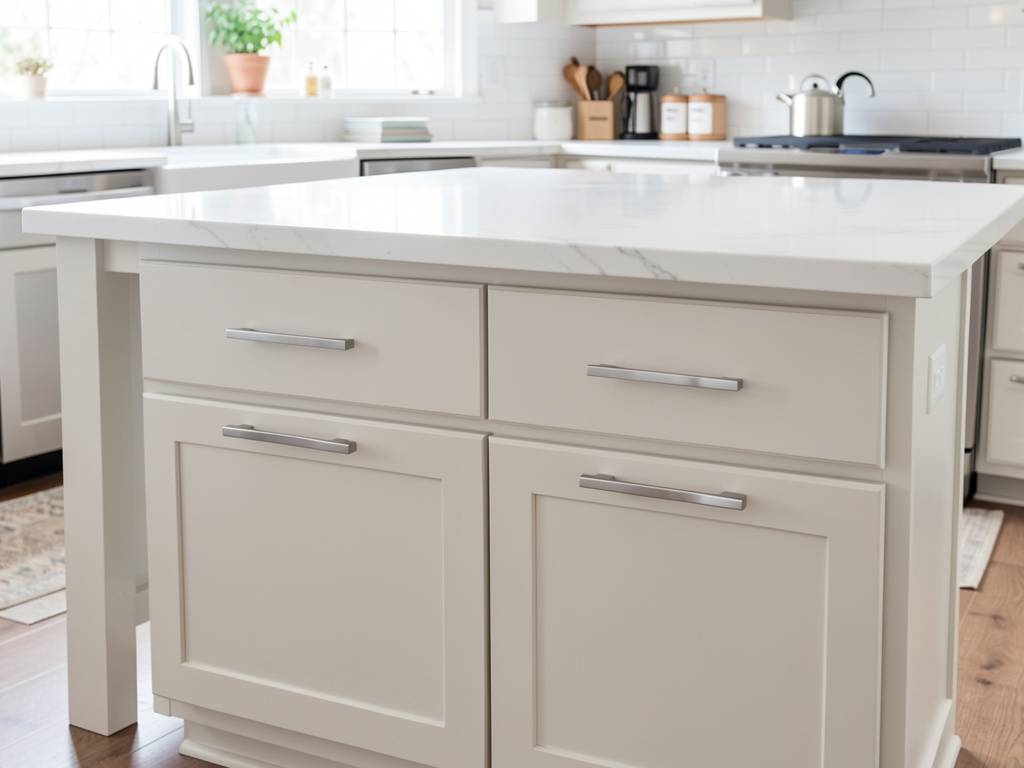
- For island cabinets with large drawers, go bold. A 12-inch pull on a 36-inch island drawer makes a strong design statement.
- Stick to one common center-to-center measurement across all drawers to simplify ordering and future replacement.
Resources and Tools
Decora Hardware – Online retailer offering a wide selection of cabinet pulls with detailed dimensions. Visit Site
Hafele – Manufacturer of high-quality cabinet hardware with sizing guides. Visit Site
Home Depot Pull Size Guide – In-store and online tool to visualize pull sizes on cabinet faces. Visit Site
Cabinet Face Template – Printable cutting guides for standard pull sizes. Visit Site
Frequently Asked Questions
What is the standard size for kitchen cabinet pulls?
The most common size is a 3-inch center-to-center pull for upper cabinets and a 6-inch pull for standard base cabinets. These sizes work for most cabinet widths and are widely available.
How do I know if a pull is too big for my cabinet?
A pull is too big if its total length extends past the edges of the cabinet face or if it visually overwhelms the door. Use the one-third to two-thirds rule as a guide. For a 12-inch door, a pull over 6 inches total is usually too big.
What is the difference between center-to-center and total length?
Center-to-center is the distance between the two screw holes. Total length is the full measurement from one end of the pull to the other. A 3-inch center-to-center pull may have a total length of 4 to 5 inches depending on the design.
Can I use different pull sizes in the same kitchen?
Yes, mixing pull sizes based on cabinet width is recommended. Use shorter pulls on upper cabinets and longer pulls on lower drawers. This creates a functional and visually balanced kitchen.
What pull size should I use for a 36-inch deep drawer?
For a 36-inch deep drawer, a single 10 to 12 inch pull works well. Alternatively, you can use two 4 to 6 inch pulls spaced evenly, about 5 to 6 inches from each edge. The pull should look like it belongs to the drawer, not dominate it.
Final Thoughts
What size pulls for kitchen cabinets depends on the cabinet width, the drawer depth, and your kitchen style. Upper cabinets work best with 3 to 5 inch pulls, while large drawers need 8 to 12 inch pulls. Always measure center-to-center, test samples in your kitchen, and match the pull to the proportion of the face. The right pull size makes daily use comfortable and elevates the whole kitchen design.