Why are pool basketball hoops so expensive is a common question for anyone looking to add this fun water sport to their backyard. The price tag can be surprising, often ranging from a few hundred to several thousand dollars. This post breaks down the real reasons behind the cost and helps you decide if it’s worth the investment for your family.
Simply put, pool basketball hoops are expensive due to specialized corrosion-resistant materials, complex engineering for stability and safety, and their niche market size. Premium brands invest heavily in durability and performance, which directly impacts the final retail price.
Key Takeaways
- Pool basketball hoops are built with marine-grade stainless steel and UV-resistant polymers to withstand constant water and sun exposure.
- Safety and stability are critical, requiring heavy, weighted bases or permanent deck mounts that add to material and design costs.
- The market for high-quality aquatic sports equipment is smaller than for general sporting goods, leading to higher per-unit production costs.
- Features like adjustable heights, shatterproof backboards, and official NBA-style rims increase complexity and price.
- Investing in a durable, higher-end model often saves money long-term by avoiding rust, breakage, and frequent replacements.
Pool basketball hoops aren’t just regular hoops placed near water. They are specialized pieces of equipment engineered for a unique and harsh environment. Understanding what goes into their construction clarifies why the price point is set where it is.
1. Specialized Materials Built to Survive Water and Sun
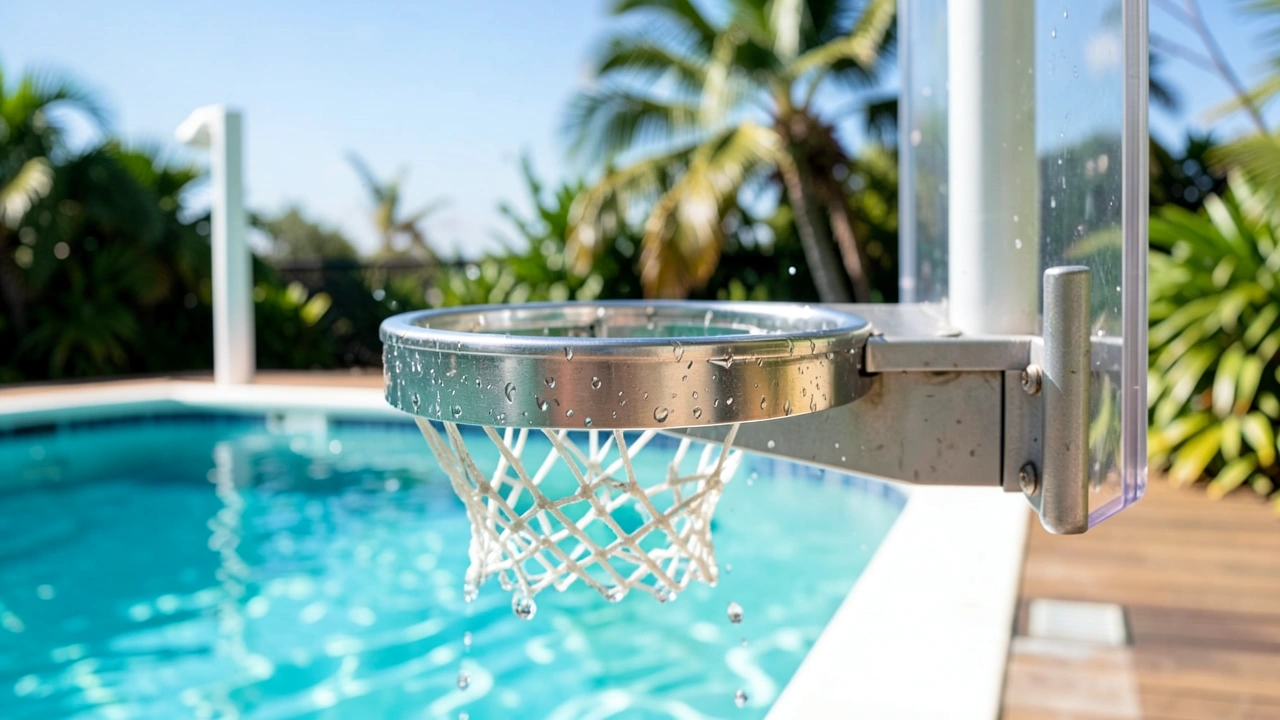
The single biggest factor driving up cost is the material science required for longevity. A standard basketball hoop would rust and degrade within a season if exposed to pool chemicals, chlorine, saltwater, and relentless UV rays. Manufacturers must source and utilize premium, corrosion-proof components.
For example, the metal frames aren’t made of standard steel. They use 304 or even 316-grade marine stainless steel, which is significantly more expensive. The backboards and support posts are often constructed from high-impact, UV-stabilized polymers or acrylics that won’t crack, yellow, or become brittle in the sun.
- Pole and Frame Materials: Marine-grade stainless steel, powder-coated aluminum, or galvanized steel.
- Backboard Materials: Tempered glass, polycarbonate, or shatterproof acrylic with UV inhibitors.
- Rim and Net Components: Heavy-duty, rust-proof steel rims with nylon or all-weather nets.
- Base Materials: High-density polyethylene (HDPE) plastic that resists degradation from pool chemicals.
- Hardware: All bolts, screws, and fasteners are stainless steel to prevent rust stains in your pool.
Tip: Always check the product specifications for “marine-grade” or “316 stainless steel” construction. This is a key indicator of a quality hoop designed for poolside use.
2. Engineering for Unshakeable Stability and Safety
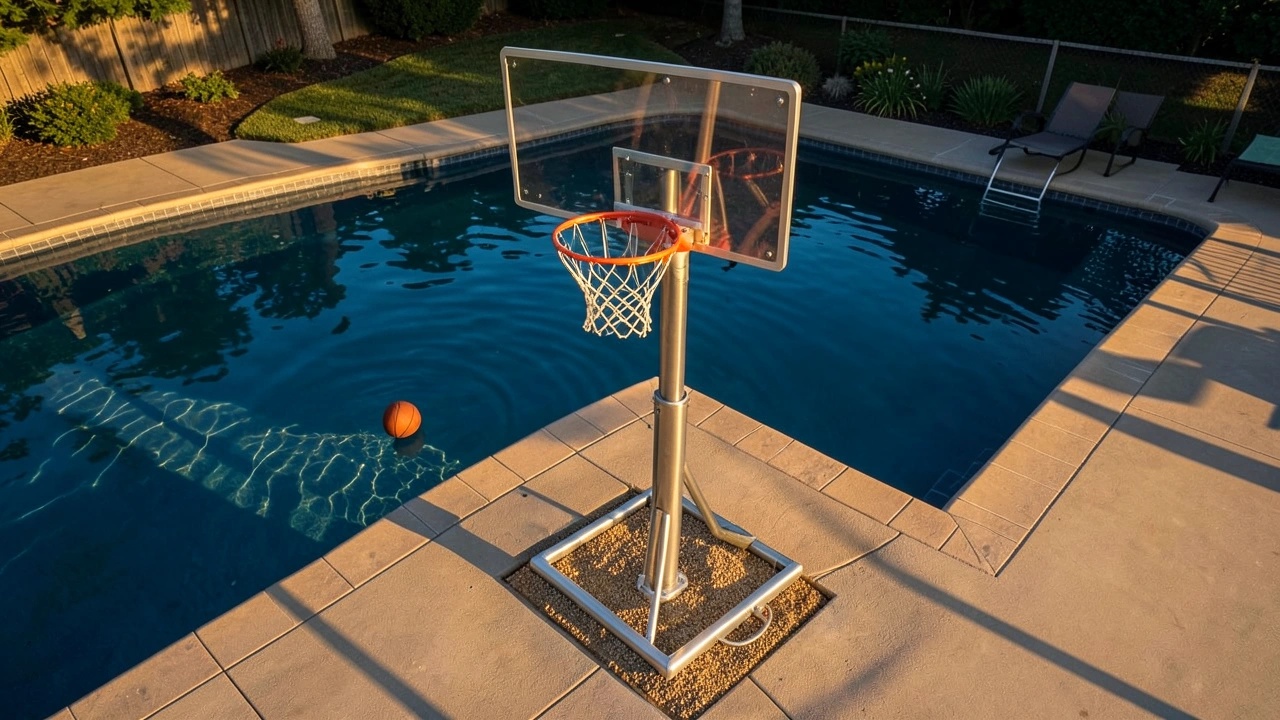
Safety is non-negotiable with a large, hard object like a basketball hoop over a pool. Engineers must design hoops that won’t tip over during aggressive play or in high winds. This stability requires either a very heavy weighted base or a robust permanent mounting system, both of which add significant cost.
A freestanding hoop needs a massive base, often weighing over 200 pounds when filled with sand or water. This requires more plastic resin in its construction. Permanent deck-mounted hoops require professional-grade mounting hardware and brackets that must support dynamic loads without damaging your pool deck.
| Stability System | Cost Implication | Pros & Cons |
|---|---|---|
| Weighted Base (Freestanding) | Medium-High cost due to material volume. Portability adds value. | + No deck damage. + Can be moved. – Takes up deck space. – Can still tip in extreme play. |
| Deck-Mounted (Permanent) | High cost for hardware & potential installation fees. Best stability. | + Extremely stable. + No footprint on deck. – Requires drilling. – Not portable. |
| In-Pool Anchor System | Highest upfront cost for installation. Ultimate performance. | + Pro-level feel. + Zero deck intrusion. – Major installation project. – Not removable. |
The engineering extends to the hoop’s design to minimize injury risk. Rounded edges, secure net attachment points, and breakaway rims that flex under pressure are all features developed through testing and add to the manufacturing cost.
3. What Are the Niche Market and Low Volume Factors?
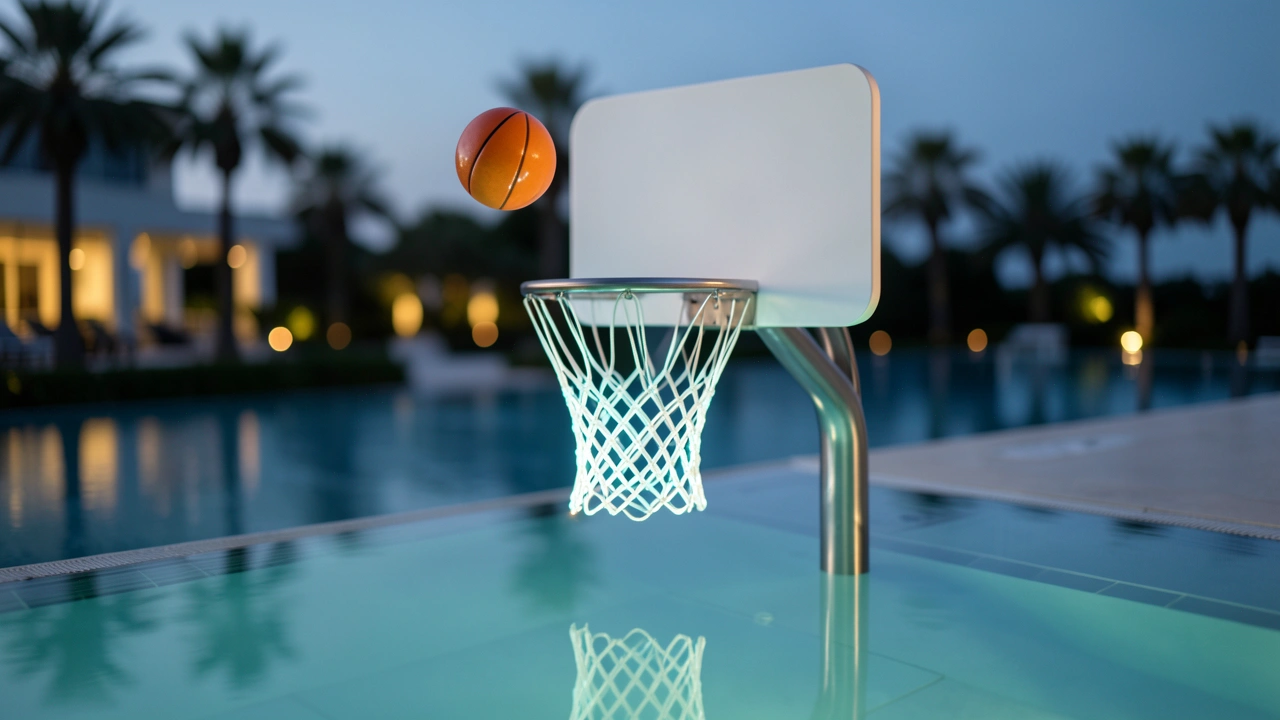
Unlike basketballs or soccer balls, pool basketball hoops are a niche product. They serve a specific subset of pool owners, which means manufacturers produce far fewer units compared to mainstream sporting goods. This lower production volume means they can’t benefit from the same economies of scale that drive down costs for mass-market items.
R&D costs for developing durable, safe aquatic sports equipment must be spread across fewer units. Marketing and distribution for this niche also cost more per unit. The entire supply chain, from specialized material sourcing to targeted retail, operates on a smaller scale, naturally leading to higher prices.
- Research & Development: Significant investment goes into testing materials against corrosion and UV degradation.
- Specialized Manufacturing: Production lines are set up for these specific products, not shared with general sports gear.
- Limited Retail Channels: Often sold through pool supply stores or specialized online retailers, not big-box general merchandise stores.
- Lower Sales Volume: Fewer units sold means each unit must carry a larger share of the fixed costs.
- Seasonal Demand: Sales are concentrated in warmer months, impacting production planning and cash flow.
4. How Do Design and Feature Upgrades Increase Cost?
A basic pool basketball hoop will be cheaper than a model loaded with features. Just like a car, every upgrade adds to the bottom line. Manufacturers offer different tiers, and the premium features that enhance gameplay and durability are a major cost driver.
Consider the backboard: a simple plastic backboard is inexpensive. A larger, thicker polycarbonate backboard with official dimensions, printed graphics, and a steel frame costs much more to produce. Similarly, the rim mechanism can be a simple fixed rim or a more complex breakaway rim with spring-loaded tension adjustment.
- Adjustable Height Mechanisms: Systems that allow you to change the rim height from 3 to 6 feet add mechanical complexity and parts.
- Backboard Size and Quality: Larger, official-size backboards use more material and are heavier, requiring stronger support structures.
- Official-Style Rims: Double-spring breakaway rims that mimic professional hoops are more expensive than solid steel rings.
- Dunking Support: Hoops designed to withstand dunking require reinforced rims, stronger backboards, and more robust support arms.
- Integrated Ball Returns: Some premium models include features to return the ball to players, adding significant engineering and parts cost.
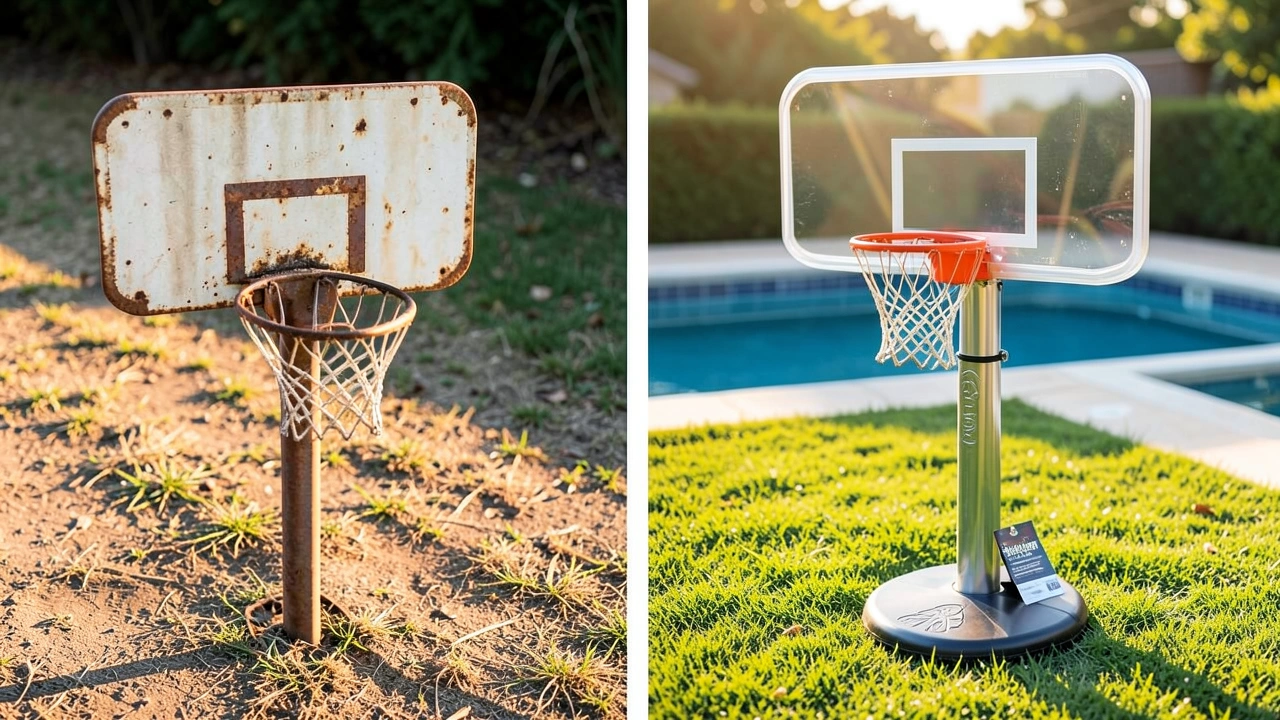
Warning: Be cautious of very cheap pool hoops. They often use substandard metals that will rust within months, potentially staining your pool and deck. The initial savings can lead to higher long-term costs and frustration.
5. Why Does Brand Reputation and Warranty Matter?
Established brands in the pool and sporting goods industry, like SwimWays, Dunn-Rite, or Lifetime, have built reputations on durability and safety. Their products come with meaningful warranties that guarantee performance for years. This trust and after-sales support are factored into the price.
A company offering a 5-year warranty on the frame or a lifetime warranty on the backboard is confident in its product quality. Backing that warranty requires using better materials and construction from the start. In contrast, no-name brands often offer limited or no warranty, reflecting their use of cheaper, less durable components.
According to consumer reviews and industry reports, products from reputable brands consistently outperform budget alternatives in longevity. A study by a pool industry association noted that hoops from leading brands maintained structural integrity for an average of 7-10 seasons, while budget models often showed significant wear after just 2-3 seasons. This long-term value is a key part of the initial investment.
6. What Does the Total Cost of Ownership Actually Look Like?
Focusing only on the upfront price can be misleading. A cheaper hoop that rusts, breaks, or becomes unstable may need to be replaced multiple times, ultimately costing more than a single high-quality purchase. Consider the total lifecycle cost.
A $300 hoop that lasts two seasons effectively costs $150 per season. A $800 hoop that lasts ten seasons costs $80 per season. When you factor in potential pool stains from rust, the cost of the cheap hoop rises even further.
Investing in a better product is often an investment in more hassle-free fun and lower long-term expenditure.
| Cost Factor | Budget Model (Low Initial Cost) | Premium Model (High Initial Cost) |
|---|---|---|
| Upfront Price | $200 – $400 | $700 – $2000+ |
| Expected Lifespan | 1-3 seasons | 7-15+ seasons |
| Risk of Pool Damage | High (rust stains) | Very Low |
| Warranty Coverage | 90 days to 1 year | 3-10 years, or lifetime |
| Cost Per Season (Est.) | $100 – $200 | $50 – $100 |
7. How to Choose a Pool Basketball Hoop That’s Worth It
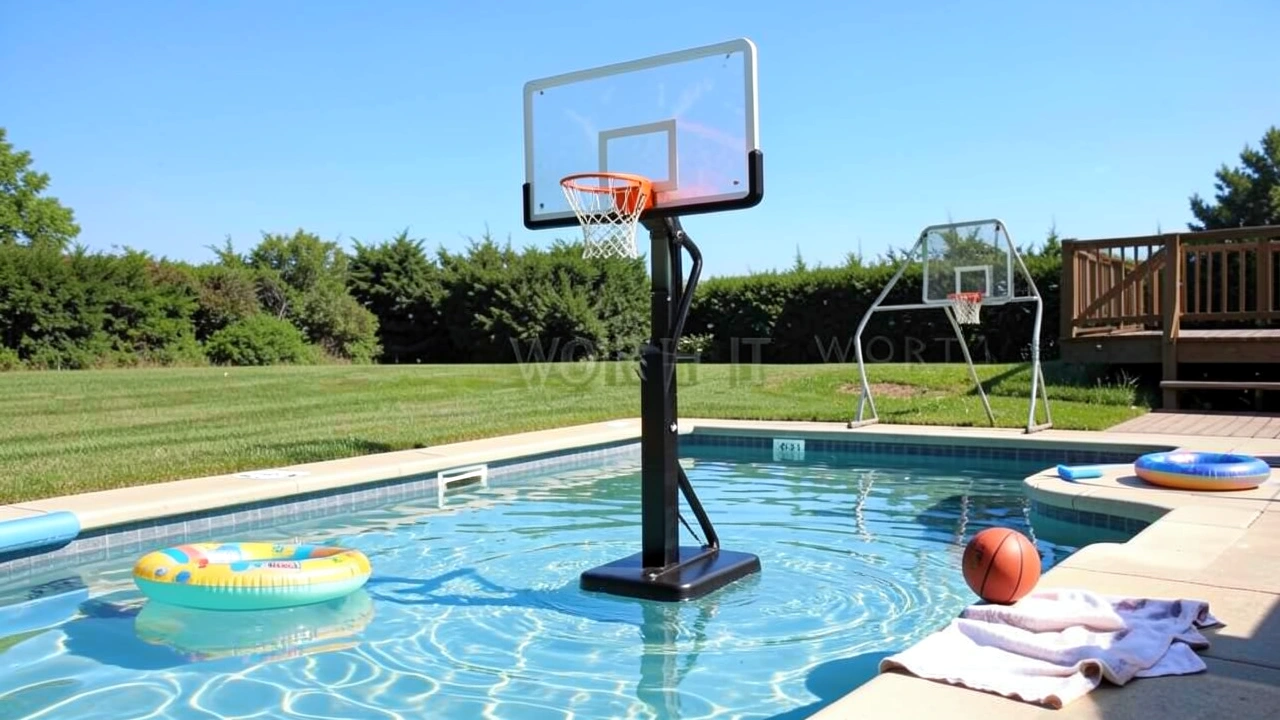
Armed with this knowledge, you can make a smarter purchase. Your decision should balance your budget, how often you’ll use the hoop, and the quality of your pool environment. Don’t just look at the sticker price; evaluate the value.
Start by assessing your needs. Is this for occasional family fun or daily competitive play? Do you have a saltwater or chlorinated pool?
Will it be left out year-round or stored during winter? Answers to these questions will guide you to the right category of hoop.
- Assess Usage Frequency: For weekly family use, a mid-range, well-reviewed freestanding model is often sufficient. For daily use, invest in a permanent mount.
- Check Pool Chemistry: Saltwater pools are more corrosive; insist on 316-grade stainless steel for all metal parts.
- Measure Your Space: Ensure you have adequate deck space for the base or proper access for deck mounting without obstructing pool flow.
- Read Reviews Critically: Focus on reviews mentioning long-term use. Look for comments on rust, stability, and backboard cloudiness after a year or more.
- Compare Warranties: A strong warranty is the manufacturer’s promise of quality. Prioritize brands that stand behind their products.
Frequently Asked Questions
Are cheaper pool basketball hoops worth buying?
They can be for very occasional use in a freshwater pool if you accept their likely short lifespan. However, they are a poor investment for regular use or in saltwater environments, as they often degrade quickly and may cause stains, leading to higher long-term costs.
Can I use a regular basketball hoop near my pool?
No. Standard hoops are made with materials that will rust and corrode rapidly in a pool environment. The rust will stain your deck and possibly your pool, and the structure will become unsafe as it weakens.
Always use a hoop specifically designed for poolside use.
How long do quality pool basketball hoops typically last?
A well-maintained, high-quality pool basketball hoop from a reputable brand can last anywhere from 7 to 15 years or more. Lifespan depends on the specific materials, your pool’s chemistry, climate, and how heavily it’s used.
What is the most important feature to look for in a pool basketball hoop?
The most critical feature is the material quality, specifically marine-grade stainless steel for the frame and hardware. This is the primary defense against rust and corrosion, which is the main enemy of any poolside equipment.
Is it worth getting an adjustable height hoop?
Yes, if you have children of different ages or want to accommodate both adults and kids. An adjustable hoop grows with your family and provides more versatile fun. The slight increase in cost is usually justified by the extended usability.
Final Thoughts
The expense of pool basketball hoops is a direct result of engineering them to survive a challenging environment while ensuring safety and performance. Specialized marine-grade materials, robust stability systems, and niche production scales all contribute to the price. Viewing a quality hoop as a long-term investment rather than a simple purchase helps justify the cost, as it provides years of durable, safe entertainment without damaging your pool.

As the founder of RayaVila, Raya Quinn is passionate about helping consumers cut through the noise of online shopping. Through thorough research and unbiased recommendations, she creates content that makes buying decisions easier and more informed.