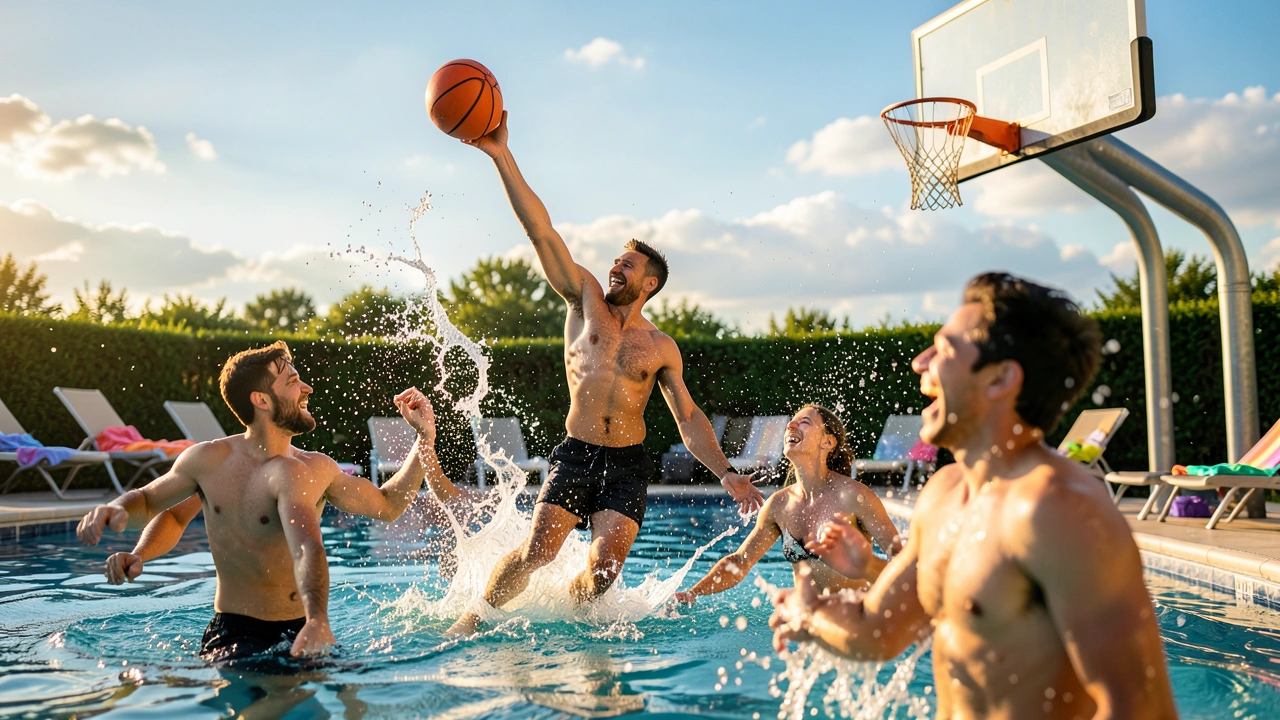
Pool basketball often starts as a lighthearted game but can spiral into chaos faster than you can say “foul!” The combination of water, competition, and slippery surfaces creates the perfect storm for escalating intensity. Understanding why things get out of hand is key to keeping your pool party safe and enjoyable.
Simply put, pool basketball escalates rapidly due to a mix of physical competitiveness, slippery conditions, and often, the influence of alcohol. What begins as friendly shooting can quickly turn into aggressive play, accidental collisions, and dangerous horseplay within minutes if boundaries aren’t established.
Key Takeaways
- Pool basketball escalation is fueled by a competitive mindset meeting a hazardous environment.
- The lack of clear rules and referees in casual games leads to rapid, unchecked intensity.
- Environmental factors like slippery decks and unpredictable water movement dramatically increase risk.
- Alcohol consumption significantly lowers inhibition and increases the likelihood of dangerous behavior.
- Proactive supervision and clear boundaries are essential to prevent a fun game from becoming a liability.
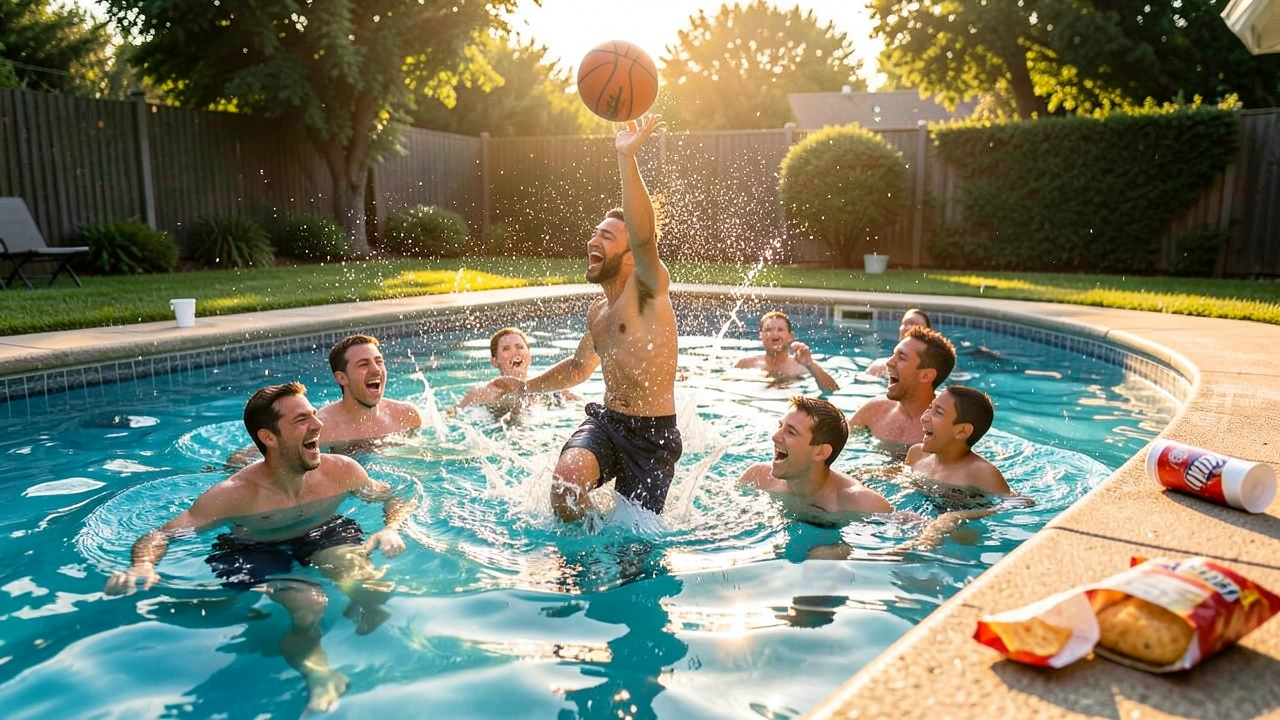
What Makes Pool Basketball Escalate So Fast?
The acceleration from casual to chaotic in pool basketball isn’t random. It’s driven by a predictable set of psychological and physical factors that feed off each other. The key is understanding these triggers so you can recognize the warning signs early.
At its core, the game combines two potent elements: direct competition and a physically engaging environment. The moment a competitive streak ignites, the setting amplifies every action. A simple drive to the hoop becomes a wrestling match for position.
A missed shot turns into a scramble where grabbing, pushing, or dunking on opponents feels like part of the play.
- Competitive Instinct: The desire to win overrides the casual setting, especially in groups with existing rivalries or strong personalities.
- Lack of Defined Rules: Without an official rulebook or referee, each player operates on their own interpretation of what’s fair, leading to immediate disputes.
- Physical Contact Inevitability: In water, maintaining personal space is nearly impossible during active play, making accidental contact frequent and confrontations likely.
- Spectator Effect: An audience can encourage showboating and more aggressive moves as players perform for their friends.
- Escalation of Commitment: Once a minor foul or aggressive move occurs, players often feel compelled to retaliate or “match the energy” to avoid looking weak.
Common Scenarios Where Things Get Out of Hand
Looking at typical incidents reveals patterns. The escalation often follows a recognizable script, moving from playful nudges to full-blown altercations. Being able to spot these scenarios is the first step in intervention.
One common path starts with a contested call. A player believes they were fouled; the accused player disagrees. Voices rise, and the game briefly stops.
Instead of resetting, one player makes a point by aggressively blocking the next shot, leading to a physical exchange under the water. The game’s focus has now completely shifted from basketball to conflict.
| Escalation Trigger | Typical Reaction | Potential Outcome |
|---|---|---|
| A “hard” foul or accidental dunk on someone’s head | Immediate, angry retaliation; verbal outburst. | Game stops; potential for a fight or injury. |
| A disputed “traveling” or “out of bounds” call | Shouting match; refusal to play until the call is reversed. | Teams form along argument lines; game devolves into bickering. |
| Dunking on or forcefully blocking a weaker player | Targeting the “bully” player with overly rough defense. | Injury risk skyrockets; feeling of unfairness poisons the mood. |
| Using the basketball to hit someone playfully (that isn’t playful) | The ball becomes a weapon; people start hiding or dodging instead of playing. | Loss of game integrity; focus shifts to self-preservation. |
Another frequent path involves alcohol. As inhibitions lower, coordination decreases while confidence increases. A tipsy player might make reckless passes, attempt dangerous jumps, or instigate roughhousing they’d normally avoid.
This combination is a primary driver of truly dangerous situations.
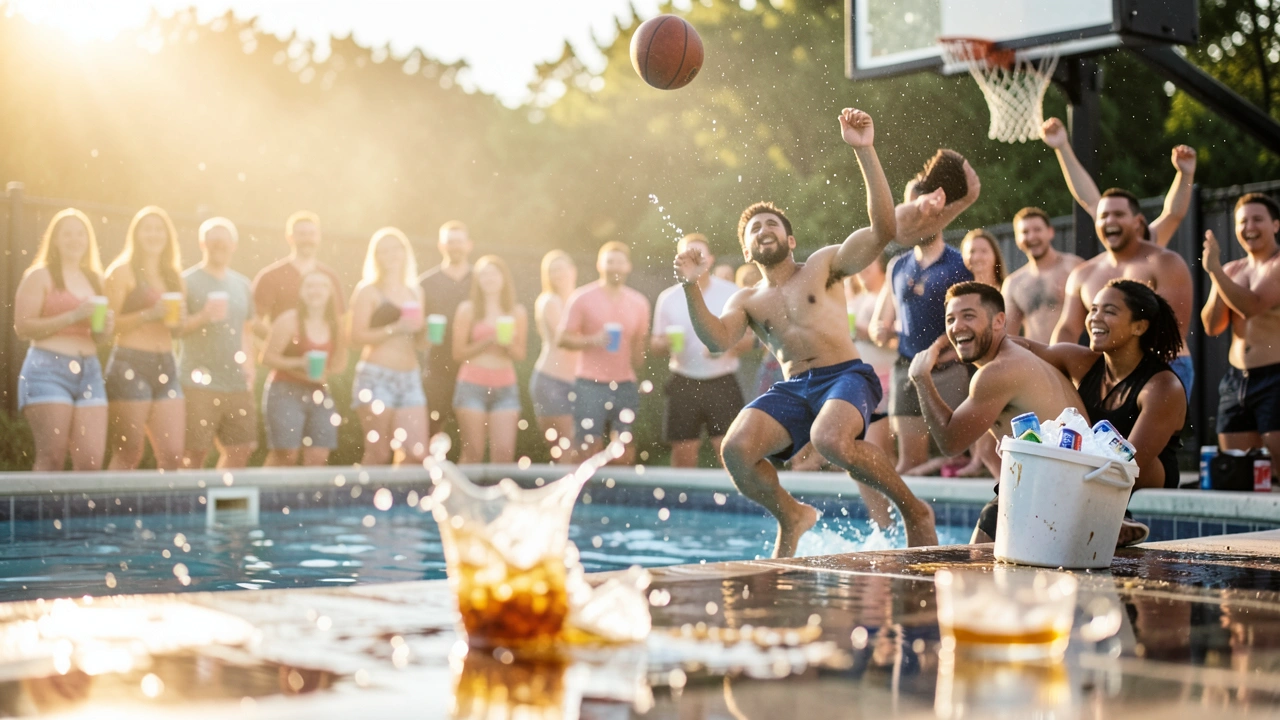
The Role of Alcohol in Pool Basketball Chaos
It’s nearly impossible to discuss pool games spiraling out of hand without addressing alcohol. The substance acts as a powerful catalyst, accelerating every negative trend mentioned above. It changes the game’s fundamental dynamic from recreation to risk.
Physically, alcohol impairs balance, reaction time, and coordination. On a slippery pool deck and in turbulent water, this dramatically increases the chance of slips, falls, and accidental collisions. Someone who might normally avoid a risky jump off the deck might attempt it after a few drinks, leading to serious head or spinal injuries.
- Reduced Judgment: Players are less likely to self-regulate their competitiveness or recognize when they’re being too aggressive.
- Increased Pain Tolerance (Masked): Minor injuries or strains might go unnoticed until they become serious because the player can’t feel them properly.
- Emotional Volatility: Small frustrations or perceived slights can trigger disproportionate anger and physical responses.
- Risky “Stunt” Behavior: Encouragement from peers combined with impaired judgment leads to dangerous acrobatics or pranks.
Warning: If alcohol is present, the threshold for a game becoming dangerous is significantly lower. Consider having a strict “no alcohol during the game” rule or designating a sober monitor to watch the pool area intently.
What Are the Primary Safety Measures to Prevent Escalation?
Prevention is always better than intervention. Establishing clear boundaries and rules before the first ball is thrown can set a tone of fun over ferocity. These measures are simple but incredibly effective when enforced consistently.
The most critical step is having a designated supervisor or “game master.” This person’s role is not to referee every call but to enforce the core safety rules and have the authority to pause or end the game if it becomes too rough. Their presence alone acts as a deterrent against the worst behavior.
- Set “House Rules” Before Play: Clearly state what is and isn’t allowed. Examples: “No dunking on other players,” “Gentle pushes only to gain position,” “Game pauses if anyone gets frustrated.”
- Establish a “Cool Down” Protocol: Agree that if an argument starts, the game stops for 5 minutes. Everyone gets out, drinks water, and calms down. This breaks the escalation cycle.
- Control the Environment: Ensure the pool deck is clear of clutter. No running. Designate a safe area for players not currently in the game to watch.
- Limit Game Duration: Play in short, timed periods (e.g., 10-minute quarters). Fatigue and overheating lead to poorer decisions and more aggression.
- Enforce an Age/Size Skill Matchup: Avoid putting small children or inexperienced swimmers in the same game as large, athletic adults. Create separate groups.
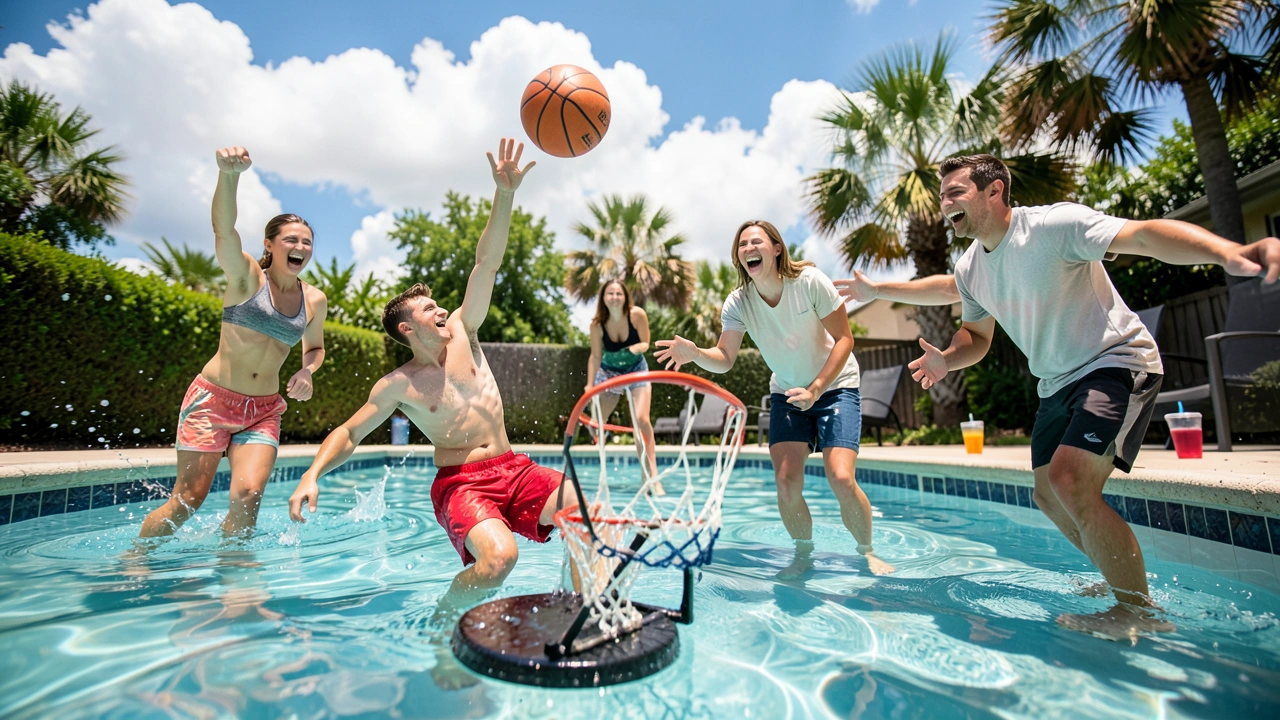
How to Organize a Controlled Pool Basketball Game
Structure transforms chaos into fun. By treating the casual game with a bit of organizational respect, you create an environment where everyone can compete safely. A little planning goes a long way toward preventing the spiral.
Start by dividing players into balanced teams if possible. This reduces the frustration of one-sided matchups that lead to boredom and then rough play. Clearly explain the boundaries of play – where in and around the pool the game is allowed.
Designate a first aid kit location and ensure a phone is accessible for emergencies.
| Control Measure | Implementation Tip | Why It Works |
|---|---|---|
| Pre-Game Briefing | Gather everyone for 60 seconds. State the 2-3 most important rules clearly. | Sets expectations and shared understanding from the start. |
| Scorekeeper/Referee | Assign someone outside the game to keep score and make final calls on disputes. | Removes the “he said, she said” conflict from players. |
| “No Blood, No Foul” Modification | Adopt a rule where only blatant fouls are called, letting minor contact go. | Reduces constant stoppages and arguments over nitpicky calls. |
| Sideline Rotation | Limit teams to 3-4 players. Others rest/coach from the deck. | Prevents overcrowding, reduces fatigue, and gives natural breaks. |
Communication is your best tool. Encourage players to call out “time out” if they feel the game is getting too heated. Foster a culture where stepping back is seen as smart, not weak.
The goal is a game people remember fondly, not one that ends with a broken nose.
What Equipment Choices Reduce Risk?
The gear you use can either contribute to the problem or help mitigate it. Standard equipment designed for land sports can be dangerous in a pool setting. Opting for purpose-built pool basketball equipment is a simple safety upgrade.
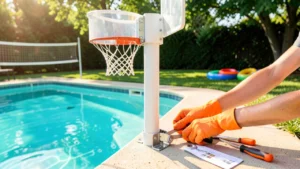
A proper pool basketball hoop should be made of sturdy but lightweight plastic, with no sharp edges or heavy metal parts that could cause injury on impact. The ball itself should be a softer, water-friendly ball, not a hard, pressurized basketball that can cause welts or injuries when thrown hard at a person.
- Use a Soft, Floating Ball: Look for foam or rubber balls designed for pool use. Avoid any hard or leather-like basketballs.
- Choose a Stable, Wall-Mounted or Deck-Mounted Hoop: Freestanding hoops can be easily tipped over in rough play, creating a tripping and crushing hazard.
- Avoid Unnecessary Accessories: Pool noodles can be fun for play but should never be used as “weapons” or for hard contact during a basketball game.
- Ensure Proper Hoop Height: A hoop that is too high encourages dangerous jumping off the pool edge. Lower it to a safe, accessible height for all players.
Tip: Before the game, do a quick equipment check. Ensure the hoop is secure, the ball is appropriate, and the pool area around the hoop is clear of any hard objects or tripping hazards.
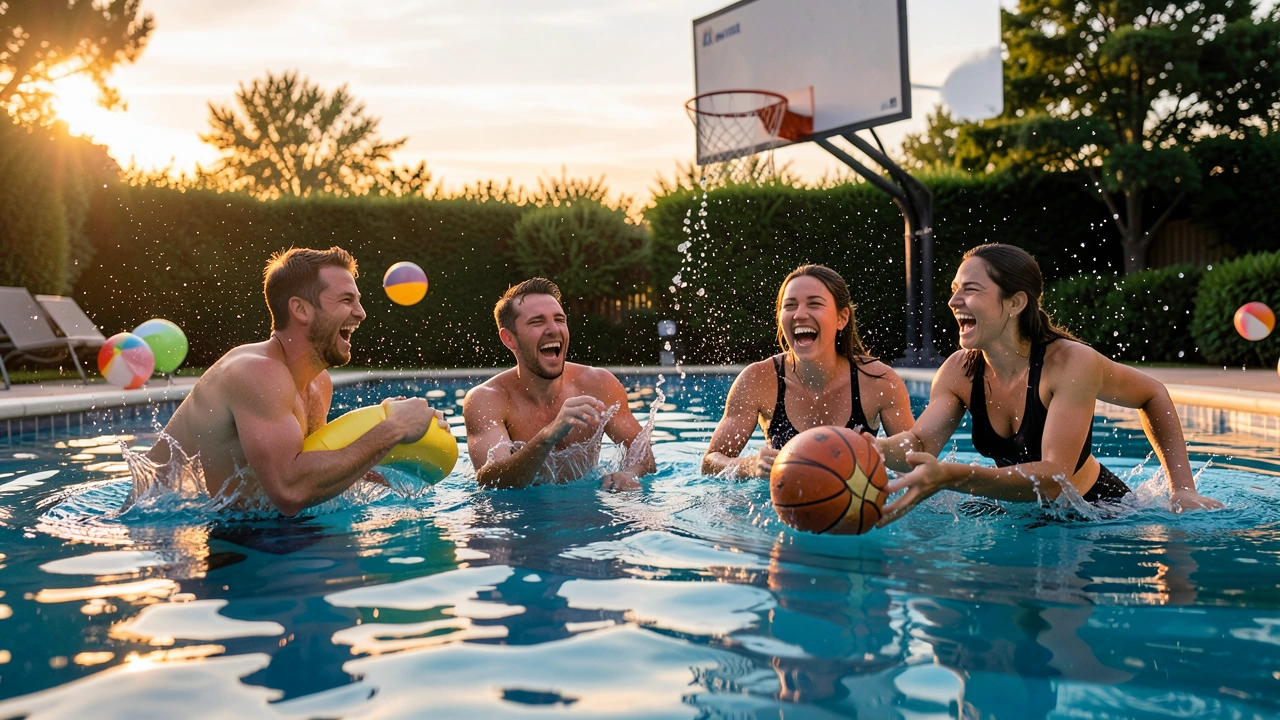
How to Respond When the Game Starts Getting Too Intense
Even with the best preparation, intensity can build. Knowing how to intervene effectively can prevent a minor squabble from ruining the day or causing an injury. The key is to act decisively and calmly.
The first step is always a verbal intervention. The supervisor should clearly and firmly call for a pause: “Okay, that’s a timeout! Everyone out of the pool for a minute.” This physical removal from the competitive environment immediately de-escalates.
Use the time to remind everyone of the rules and the primary goal: having fun.
- Make a Clear, Unmistakable Call: Use a loud, calm voice. Don’t ask—tell. “Time out. Game stops now.”
- Physically Separate Parties: Have the individuals involved go to separate areas (e.g., one to the snack table, one to a lounge chair).
- Reframe the Situation: When talking to them, use language like, “This is supposed to be fun for everyone. Let’s reset.”
- Restart with a Reset: If play resumes, change the teams or start a completely new, shorter game with a renewed emphasis on the rules.
- Be Prepared to End It: If the aggression was severe or intentional, the game is over for the day. Protecting everyone’s safety is more important than finishing the match.
Remember, your role is not to mediate a complex conflict. It’s to enforce the safety and fun parameters of the event. Do not get drawn into debating fouls.
Focus on behavior and safety.
Frequently Asked Questions
How can I keep pool basketball fun for all skill levels?
Create mixed teams so experienced players are distributed evenly. Modify rules on the fly—perhaps allow a weaker player two attempts to score a basket. Focus on participation and cheering over ruthless competition.
The goal is inclusion, not just winning.
What should I do if someone gets hurt during the game?
Immediately stop the game. Have everyone calmly exit the pool. Assess the injury.
For minor scrapes, use the first aid kit. For any head, neck, or back pain, or if you suspect a fracture, do not move the person. Call for emergency medical help immediately and keep the person still and calm.
Is pool basketball safe for young children?
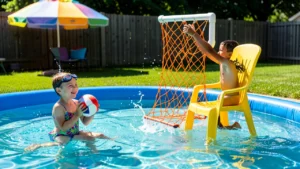
It can be with strict modifications. Use a very soft, lightweight ball and a low hoop. Enforce a “no contact” rule and keep teams small.
Adult supervision must be constant and vigilant. For very young children, consider using the ball for simple catching games instead of competitive basketball.
How do I handle persistent arguments over calls?
Designate one person as the final referee whose decisions are not up for debate. Alternatively, implement a “play on” rule where unclear calls are ignored to keep the game moving. The most effective solution is often to pause the game and have the arguing parties sit out for the next round.
Can the pool itself make the game more dangerous?
Absolutely. A pool with a shallow end and a deep end creates uneven play and increases the risk of injury if someone is dunked in deep water unexpectedly. Slippery tiles or coping around the pool edge are major slip-and-fall hazards.
Always survey the pool and deck area for risks before starting.
Final Thoughts
Pool basketball is a fantastic source of laughter and competition when managed correctly. The key to preventing it from getting out of hand lies in proactive planning, clear rules, and vigilant supervision. By understanding the triggers for escalation and having a calm plan for intervention, you can ensure the game remains a highlight, not a hazard. Focus on safety, enforce fair play, and remember that the best games are those where everyone wants to play again tomorrow.

As the founder of RayaVila, Raya Quinn is passionate about helping consumers cut through the noise of online shopping. Through thorough research and unbiased recommendations, she creates content that makes buying decisions easier and more informed.